

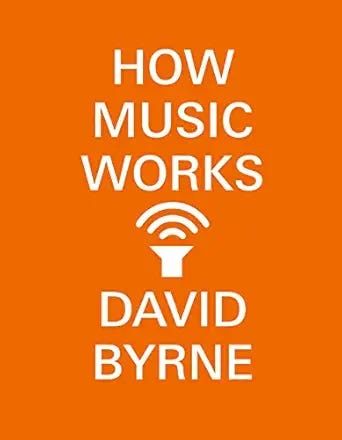
Part 1: Chapter-by-Chapter Clinical Observations
Preface
Byrne announces his thesis without preamble. Context shapes content. Music’s success depends on where you hear it, how it’s performed, how it’s sold, what surrounds it. The promise: a non-chronological exploration of how technology, venues, and distribution systems mold music before it reaches ears. The claim: this isn’t autobiography, though understanding accrues from decades of recording and performing.
What’s revealing: Byrne positions himself as witness, not prophet. The ephemeral nature of music—you can’t touch it, it exists only when apprehended—becomes the opening paradox. Something weightless alters how we view the world.
Chapter 1: Creation in Reverse
The chapter dismantles romantic notions immediately. Byrne’s thesis: creators work backward, instinctively tailoring work to fit pre-existing formats and venues. He traces how acoustics shaped musics. African processional rhythms evolved for outdoor clarity. Gothic cathedrals with four-second reverberation times demanded modal, slowly-evolving compositions. Bach wrote for specific echo characteristics. Mozart performed in palace chambers, not symphony halls.
The evidence accumulates through venue archaeology. CBGB’s crooked walls and ceiling made for great sound absorption. The physical dimensions determined what music could thrive. Bird songs adapt to environment—forest floor species use lower pitches to avoid ground distortion. San Francisco birds raised their pitch over 40 years to compete with traffic noise.
What this reveals: Genius occurs when a thing is perfectly suited to its context. Forms don’t simply contain emotions—the forms themselves generate and shape emotions. The radical reframing: we don’t express feelings through prescribed structures; the structures create the feelings.
Chapter 2: My Life in Performance
Byrne begins in shyness. A withdrawn teenager discovered performing as language when conversation failed. The trajectory: covering rock songs in coffee houses, busking in Berkeley with accordion player Mark Kehoe (bathing-beauty-stickered violins), arriving at CBGB’s minimalist aesthetic.
The method: performance style defined by negatives. No rock moves, no guitar solos, no clichéd lyrics. Talking Heads started as an outline for a band, a sketch showing bare bones musical elements. The sartorial evolution—preppy polo shirts, then skinny black jeans (purchased in Paris because American stores didn’t stock them), brief polyester suit phase—wasn’t decoration. Each choice carried cultural baggage.
What the evolution shows: From three-piece to four-piece with Jerry Harrison meant texture became musical content. From stripped-down anxiety to expanded Remain in Light ensemble created “ephemeral utopia”—model of ideal society manifested briefly. The progression mirrors a central discovery: context shapes content, technology shapes composition, but emotional truth keeps arriving.
Performance influences span globe. Japanese theater and Balinese ritual taught that presentational performance could be sincere. Stop Making Sense tour’s transparency concept—showing how everything works, platforms wheeled on stage, lighting instruments carried out mid-show—proved spectacle doesn’t negate authenticity.
Chapter 3: Technology Shapes Music—Part 1: Analog
Recording technology changed not just how we hear music but what music becomes. Edison’s cylinders (1878) were mechanical, fragile, requiring bands to perform repeatedly for each batch. Early recording forced radical changes: drummers played wood blocks instead of drums, tubas replaced acoustic bass, Louis Armstrong stood 15 feet from the recording horn.
The narrative tracks radio’s influence, the LP’s 22-minute limit, cassette democratization (mixtapes as gifts and emotional mirrors), disco’s 12-inch singles with massive bass. Multitracking, invented by Les Paul, allowed music to be constructed rather than merely captured. Glenn Gould’s embrace of tape editing led him to abandon live performance entirely.
What’s documented: Every technological “advance”—wax to vinyl to cassette to CD—involved compromise. Convenience repeatedly defeated fidelity. But recordings freed music from concert halls, allowed hidden music from Mississippi and Louisiana to be heard, enabled young jazz players to study Armstrong’s solos by playing records over and over.
The cassette section reveals unintended consequences. In India, cassettes broke the gramophone company’s monopoly. Smaller labels blossomed. But cassettes also homogenized. Javanese gamelan players began mimicking popular tapes, abandoning unique local tunings. Trade-off: wider dissemination versus regional peculiarity.
Chapter 4: Technology Shapes Music—Part 2: Digital
Digital revolution begins with Bell Labs seeking efficient phone transmission. The company’s mandate: find ways to transmit more conversations through limited lines. Solution: digitize sound, slice it into ones and zeros. Psychoacoustics—understanding how brains perceive sound—became crucial.
Unforeseen consequence: digital audio technology emerged for recording studios. Harmonizers that could change pitch without changing speed. Digital delays. Samplers. All descended from phone company research.
CDs arrived 1982 (Sony and Philips collaboration). Unlike LPs, whose grooves limited volume and low frequencies, CDs were practically unlimited. This sonic freedom got abused. The “loudness war”—records made artificially loud, causing ear fatigue. Some albums (Oasis, Red Hot Chili Peppers’ Californication) cited as examples.
The MP3 section: Convenience over quality, again. Digital files squeeze “CD quality” music into minuscule bandwidth. Something ineffable gets sucked out. Zombie music. But most of us accepted the trade-off. Good enough became okay.
Music software changed composition. Quantizing makes tempo never vary, rhythms metronomically perfect. Software has inherent biases—working one way is easier than another. MIDI records instructions rather than sounds, divides note velocity into 127 increments, rounds off subtlety. Keyboard-friendly chord inversions incline composers toward specific vocal melodies and harmonies.
Chapter 5: In the Recording Studio
By the time Byrne entered music business, multitrack recording was commonplace. Studios: soundproof rooms with thick carpeted doors, massive consoles looking like starship Enterprise decks. Recording engineers relegated musicians to separate rooms, sequestered them on plush couches. Intimidating.
Talking Heads’ first record (77) was miserable experience. Nothing sounded like they’d imagined. Band deconstructed completely—drummer in booth, bass amp surrounded by sound-absorbent panels. Philosophy: deconstruct and isolate. Remove all ambient sounds, even room ambience. Dead, characterless sound held up as ideal.
Second record with Eno: play live in studio without typical isolation. Result sounded more like them. Sometimes Byrne sang with speakers blasting—technique not kosher then but which worked. Third record: recorded basic tracks in loft where they rehearsed (Chris and Tina’s place), mobile studio parked outside on street.
Remain in Light sessions marked watershed. Recorded at Compass Point in Bahamas. Method: people laid down repetitive tracks (riffs, grooves) lasting about four minutes. Others responded, adding repetitive parts, filling gaps and spaces. Then made sections by switching instruments on and off simultaneously. No top line melody yet—that came later. Byrne sang gibberish vocals to tracks, took rough mixes home, wrote actual words matching those melodies.
What this process reveals: Music no longer needed to simulate live performance. Recording studio became compositional tool. Texture and groove shaped composition as much as melody and harmony. Studio and machines became co-authors.
Bush of Ghosts project with Eno: used found vocals (radio preachers, exorcists, Lebanese pop singers) thrown against tracks in real-time. Discovery: passionate vocalization is inherently musical regardless of original context. Brain finds congruence even where none existed.
By late 90s: home recording technology advanced enough for professional-caliber recordings. DA88 machines using hi-8 video cassettes to record eight tracks. ADATs using super VHS cassettes. Need for expensive studios becoming superfluous. Laptop recording followed. First heard when DJs Freestylers sent track, Byrne recorded vocal on black plastic Mac G3, sent it back. Resulting song “Lazy” became hugely popular. No one complained vocal sounded like it had been recorded on laptop.
The conclusion implied: Big studio era ended. Most New York studios closed. Cost of making records dropped so low average musicians could pay out of pocket. This meant when time came to think about distribution, you weren’t beholden to anyone. Didn’t come to table already in debt.
Part 2: Bridge Between Sections
The chapters map trajectory from constraint to liberation to new constraint. Byrne begins imprisoned by studio orthodoxy—isolated instruments, click tracks, acoustic deadness. Ends empowered by bedroom recording gear. But discovers new technologies bring new invisible restrictions. Software makes certain compositional choices easy, others nearly impossible.
Throughout runs central insight: context precedes content. Room shapes composition before note is played. Microphone colors performance. Medium—cylinder, vinyl, cassette, CD, MP3—determines not just sound quality but compositional length, dynamic range, which instruments appear.
Recording technology promised to capture truth. Instead revealed that “truth” in music is itself construction.
Emotional core lies in Byrne’s journey. From anxious, twitchy performer who couldn’t escape own head. To singer who discovered, through Latin grooves and string arrangements and writing for actors in True Stories, that vulnerability and beauty weren’t weaknesses. Technology facilitated this transformation. Home recording let him experiment without terror of ticking studio clock, without strangers judging every squeak.
The chapters also chronicle music’s democratization. From Edison’s tone tests (music as elite experience requiring expensive equipment) through cassettes (everyone a curator and distributor) to laptops (everyone a recording engineer). Each technological shift promised to bring music to people. Each partially succeeded while creating new gatekeepers, new hierarchies, new ways to exclude and include.
Part 3: The Clinical Essay
The Accident That Shapes Everything
There’s a moment early in How Music Works when Byrne describes playing in a band as teenager, getting the plug pulled mid-performance at battle of the bands. Tiny humiliation, barely worth mentioning except it led him to consider playing solo, which led to folk coffee houses, which led to covering rock songs on acoustic guitar, which led to art school collaborations, which led to CBGB and Talking Heads. One yanked electrical cord, life pivots.
The book is full of these moments. Edison shelving his recording device for a decade. Broken cassette player leading to compressed boom-box recordings. Mobile studio parked outside loft on Bond Street. Where accident and adaptation trump intention.
This is Byrne’s operating thesis, announced in first chapter and proven across 300 pages of recording anecdotes, venue archaeology, and technology forensics: music doesn’t emerge from some interior passion demanding release. Music gets made because there’s space to fill, machine to operate, opportunity presenting itself. We create backward, tailoring output to fit pre-existing contexts. And somehow—mysteriously, magnificently—emotional truth arrives anyway.
The idea should feel reductive. If composition is mere adaptation to circumstance, where’s the art? Where’s the soul? But Byrne makes the case that this instrumental view of creativity—artist as device-builder triggering shared psychological responses rather than prophet channeling divine inspiration—doesn’t diminish music’s power. Understanding how the trick works deepens appreciation. He’s not exposing fraud. He’s revealing how meaning gets manufactured. The process is more interesting than the myth.
Structure as Argument
The book’s structure mirrors its argument. Non-chronological chapters circle same territory from different angles. How spaces shape sound (Gothic cathedrals demand modal compositions, CBGB’s low ceiling makes intricate detail audible). How technology shapes composition (multitracking enables Les Paul to play with himself, MIDI favors keyboard-friendly chord voicings, quantization eliminates human lurch and hesitation that signal emotion). How distribution shapes content (cassettes lengthen Indian ragas but homogenize Javanese gamelan tuning, iPods create private soundtracks for public space).
Each chapter feels like variations on theme, spiraling outward and returning. The book itself adopts non-hierarchical, loop-based structure Byrne used making Remain in Light.
Writing moves between technical precision and flights of association. Byrne can diagram mechanics of wax cylinder recording—sound waves concentrated through horn, vibrating diaphragm, moving inscribing needle—then pivot to speculating whether ancient Greeks could have invented same device and why they didn’t, which opens onto meditation on how technology’s path involves endless dead ends and roads not taken.
Digressions earn their place. When he describes Edison’s “tone tests” touring like traveling infomercial, singers coached to sound like recordings rather than reverse, it illuminates not just early marketing tactics but beginning of our inverted relationship with recorded music. We now expect live performances to sound like records. Simulation has replaced thing itself.
The Emotional Core
The book’s emotional center arrives unexpectedly in recording studio chapters. Byrne begins terrified. That first album as “miserable”—nothing sounding right, separated from bandmates by glass and headphones, watching expensive clock time tick away while strangers in control rooms make decisions about his music. Alienation is palpable.
Then comes slow liberation. Eno suggesting they play together in one room (heresy). Byrne singing with speakers blasting instead of isolated in booth (dangerous leakage). Recording initial tracks in rehearsal loft rather than proper studio (compromised fidelity). Each small rebellion against recording orthodoxy brings music closer to what it wants to be.
Remain in Light sessions mark watershed. Byrne describes writing gibberish vocal melodies over modular tracks assembled from loops, then taking those tracks home to write actual words. Music dictates lyrics. This means texture and groove and tonal quality now shape composition as much as melody and harmony. Radical—means studio and its machines have become co-authors.
Byrne embraces this. Producer isn’t imposing vision on band. Technology itself is participating in creation. When he and Eno make My Life in the Bush of Ghosts using found vocals—radio preachers, exorcists, Lebanese pop singers—thrown against their tracks in real-time, they discover that passionate vocalization is inherently musical regardless of original context. Brain finds congruence even where none existed. Emotions aren’t being “tricked.” They’re being generated by sonic combinations that trigger neurological responses.
This leads to book’s most subversive claim: authorship is questionable. Not that Byrne doesn’t want credit. But conventional idea that song expresses songwriter’s personal experience, that authenticity means autobiography, is nonsense. Music makes us more than we make it. Artist isn’t prophet but device-builder, constructing machines that dredge up emotions in performer and listener alike.
Some find this repulsive—makes artist manipulator, charlatan. But Byrne argues it’s simply accurate. Understanding mechanism doesn’t negate experience.
Technology as Unintended Consequence
The chapters on technology’s evolution are miniature histories of unintended consequences. Bell Labs develops digital encoding to squeeze more phone calls through underwater cables, inadvertently creating sampling technology. Edison’s cylinders can’t be mass-produced, so performers must play same song repeatedly for every batch—limitation fostering repetition that becomes aesthetic. Cassettes democratize recording (everyone makes mixtapes) but also homogenize regional styles (Javanese gamelan players begin mimicking what they hear on popular tapes, abandoning unique local tunings).
CDs offer unlimited dynamic range. Producers immediately abuse it, compressing everything so loud that ear fatigue sets in. The iPod enables private listening. Suddenly we’re all starring in movies with personalized soundtracks, experiencing “accompanied solitude” that Adorno would diagnose as pathology.
Byrne reports this without nostalgia. He’s not lamenting lost authenticity or golden-age fidelity. He recognizes that every technological shift involves trade-offs—vinyl’s warmth versus CD’s clarity versus MP3’s convenience—and that convenience has repeatedly won. We’ve chosen portability and accessibility over quality at nearly every juncture.
He records on laptops now, makes vocals at home, embraces “good enough” because barriers to creation matter more than absolute fidelity. When track recorded on plastic MacBook laptop becomes club hit (”Lazy”), nobody complains about sound quality. Test is passed. Home revolution is complete.
The Accumulation Through Specificity
The book accumulates force through specificity. Byrne doesn’t theorize from distance. He’s lived every development he describes. That first miserable album. Terror of CBGB auditions. Revelation of Balinese ritual performance (people wandering in and out, eating snacks, religious practice integrated into daily life rather than cordoned off as separate sacred space). Excitement of digital recorders in Paris studios (convinced they sounded better, though maybe they didn’t). Financial calculations determining how large a touring band he could afford. Hundreds of cassettes piling up—gospel preachers, radio call-ins, koala grunts—waiting to be sampled.
Watching dust rise in clouds at abandoned theater on Second Avenue, coughing for days afterward. These aren’t illustrative anecdotes. They’re raw material from which understanding gets built.
What coheres is vision of music as perpetually in dialogue with its containers and contexts. African drumming that works outdoors becomes sonic mush in cathedral. Funk that thrives in club dies in basketball arena. Georgian choir that sounds transcendent in church sounds strange on living room stereo. Hip-hop track designed for car systems with massive subwoofers loses something essential played through laptop speakers.
No recording perfectly captures “truth” of music because music has no essential truth outside its context. It’s always already shaped by room it’s in, equipment reproducing it, body receiving it.
The Practical Reality
Byrne’s prose occasionally gets tangled in technical details—long paragraphs explaining MIDI parameters or microphone placement. But these passages serve purpose. He wants readers to understand that these aren’t neutral tools. Software that divides dynamics into 127 increments is making compositional choices. Mixing board that makes switching tracks on and off easy encourages modular construction. Grid in Pro Tools privileges quantized, metronomic accuracy. Home recording gear makes some instruments (keyboards, guitars) easy to capture and others (horns, strings) difficult, which shapes what gets recorded.
Tools determine outcome more than we’d like to admit.
What Remains
The book’s final chapters circle back to performance, to irreducible fact that music creates temporary communities. Recordings flood the world, but live performance retains special status precisely because it’s ephemeral, unrepeatable, experienced collectively. Byrne describes expanded Remain in Light touring ensemble as creating “ephemeral utopia”—model of more ideal society manifested briefly before evaporating.
That’s not hyperbole. When everyone surrenders to groove, when individual identity gets submerged in communal ecstasy, something genuinely transcendent happens. Machines enable this (amplification, effects pedals, synthesizers), but experience remains fundamentally human and social.
How Music Works offers no grand unified theory. It’s not systematic. It contradicts itself (technology liberated us/technology enslaved us, recordings democratized music/recordings commodified it). But contradictions feel honest rather than sloppy. Byrne’s describing sixty years of flux, technology constantly churning, each innovation creating new possibilities while foreclosing others. Trajectory isn’t progress toward some better state. It’s adaptation, mutation, endless recombination.
The book’s deepest pleasure comes from watching Byrne’s voice evolve across these pages. He begins as anxious, angsty singer writing psychological explorations of alienation. Becomes ethnographer documenting found vocals and constructing sonic collages. Then Latin-inspired arranger embracing melancholy melodies over buoyant rhythms. Finally home-studio composer, older and possibly wiser, writing more stripped-down, emotionally direct songs while still using all technological tricks accumulated over decades.
The progression mirrors the book’s argument: context shapes content, technology shapes composition, but somehow emotional truth keeps arriving. Music makes us, and we keep making music, and the process is more mysterious and more mechanical than we imagine, and both things are equally true.